





Your brakes are made up of several parts that work together to slow and stop your vehicle safely. Understanding what these components do can help you recognize when something might be off. The core parts of most brake systems include brake pads, rotors, calipers, brake lines, and the master cylinder. Each piece plays a specific role in bringing your Chevy to a controlled stop.
What Do Brake Pads and Rotors Do?
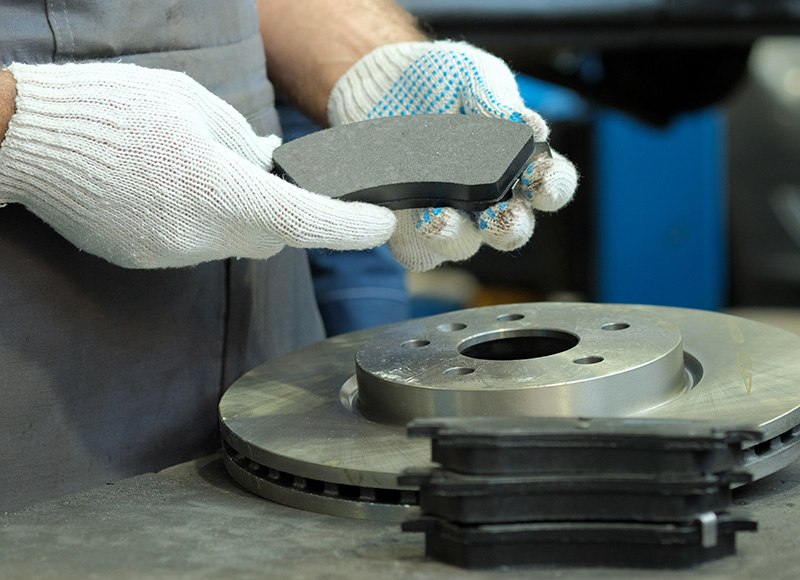
Brake pads are friction materials that press against the rotors to create stopping force. Rotors, also called brake discs, are the large metal discs that spin with your wheels. When you apply the brakes, the caliper squeezes the pads against the rotor, generating friction that slows the wheel. Over time, both pads and rotors wear down and will eventually need to be replaced. This is one of the most common brake-related questions we hear, and for good reason – worn pads are a leading cause of brake problems.
What Is the Role of the Brake Caliper?
The brake caliper is the component that houses the pads and uses hydraulic pressure to push them against the rotor. Think of it as the clamp that creates the stopping force. Calipers can be fixed or floating, depending on the vehicle. If a caliper sticks or seizes, it can cause uneven braking, pulling to one side, or excessive heat buildup. Keeping calipers in good shape is just as important as monitoring your pads and rotors.
How Do Brake Lines and the Master Cylinder Control Stopping Power?
Brake lines carry hydraulic fluid from the master cylinder to each caliper. The master cylinder converts the pressure from your foot on the pedal into hydraulic force. When you press the pedal, fluid travels through the lines and triggers the calipers to engage. If there is a leak in the lines or the master cylinder fails, your pedal may feel soft or sink to the floor. If this is happening, get your brakes inspected immediately.
What Are the Signs That My Brakes Are Failing?
Knowing when your brakes need service is just as important as understanding how they work. Here are some common warning signs to watch for:
- Squealing or grinding noises when braking are often the first indicators that pads have worn down.
- A vibrating or pulsing brake pedal can signal warped rotors.
- If your vehicle pulls to one side when you apply the brakes, a sticking caliper or uneven pad wear may be the cause.
- A soft or spongy brake pedal often points to air in the lines or a fluid leak.
- A dashboard warning light shaped like an exclamation point inside a circle is your vehicle’s way of telling you the brake system needs inspection.
If you notice any of these signs, it is a good idea to have your brakes checked as soon as possible.
Visit McLaughlin Chevrolet for Service in Whitman, MA
Keeping your brakes in top working order is one of the most important things you can do for your safety on the road. From pads and rotors to calipers and brake lines, every component matters. Drivers throughout Whitman, Mass can count on McLaughlin Chevrolet’s Certified Service technicians who know your vehicle inside and out. Stop in or schedule an appointment online to get your brakes inspected by the people who know Chevy best.

