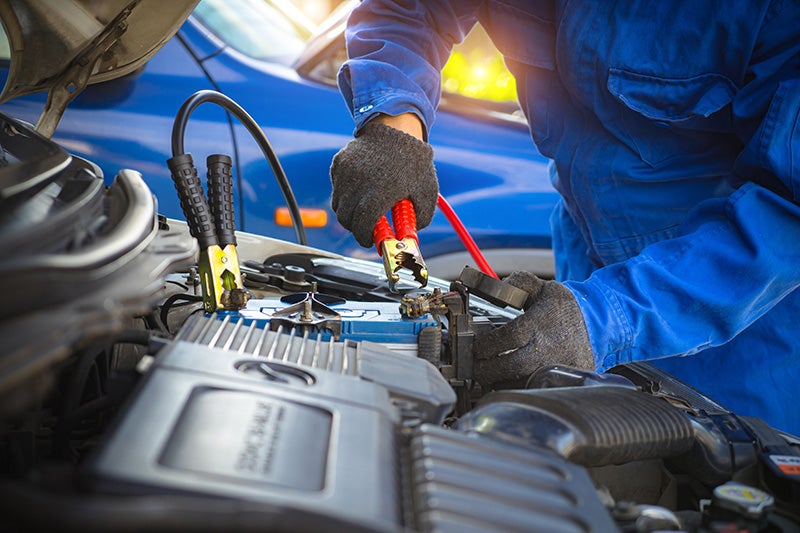





Car Batteries: The Reason Your Chevrolet Wakes Up in the Morning The car battery is one of those components you can completely forget exists right up until the car refuses to start. Then it becomes extremely important. It stores the electrical energy needed to start the engine and supports numerous electrical systems throughout the vehicle. Batteries also wear out, and they tend not to arrange their failure around your schedule. Knowing the basic warning signs and having battery testing performed before trouble develops can help Whitman, MA, drivers avoid discovering a weak battery when they're already late for something. It's Basically a Box Full of Stored Electricity Most conventional vehicles use a rechargeable 12-volt lead-acid battery connected to the electrical system through its terminals. Inside, lead plates and an electrolyte solution produce the chemical reaction needed to generate electrical current. The science is clever. The practical result is straightforward: without sufficient battery power, your engine isn't starting. Conventional car batteries commonly last around 3 to 5 years, although climate, vehicle use, battery type, and other conditions can influence service life. Routine battery inspections can help you keep track of its condition instead of relying entirely on its birthday. Starting the Engine Is Only Its First Assignment Starting is the battery's headline job. Turn the key or press the start button and the battery supplies a large burst of electrical current to the starter motor, which cranks the engine. It can also supply electricity to lights, infotainment equipment, and other accessories when the engine isn't running. Once the engine starts, the alternator generates electricity and replenishes the battery's charge. If your Chevrolet begins experiencing repeated starting trouble or unusual electrical behavior, battery testing and starting-and-charging-system diagnosis can help identify the source rather than assuming every electrical problem means the battery needs replacing. Cold Weather Isn't Particularly Kind to Batteries A battery produces electricity through chemical reactions inside its casing, and low temperatures can reduce its ability to deliver starting power. That becomes particularly relevant during a Massachusetts winter, when the engine still expects the battery to provide the current necessary to get everything moving. An older or weakening battery may reveal itself during colder weather through slower cranking or difficulty starting. Scheduling a battery inspection before winter arrives can provide a clearer picture of its condition. It's also an easy item to address alongside an oil change, tire rotation, Multi-Point Vehicle Inspection, or other routine Chevrolet maintenance. Your Chevrolet Will Usually Provide a Few Clues A slow engine crank is one of the classic signs of a weakening battery. Dimming lights, repeated starting trouble, unusual electrical behavior, or a battery warning indicator can also signal that the battery or charging system deserves attention. Visible corrosion around the terminals can interfere with electrical connections, while a swollen or damaged battery case should be inspected promptly. None of these symptoms should be treated as a guaranteed diagnosis. Don't Let Jumper Cables Become Standard Equipment A jump-start is useful when you're stuck, but needing one repeatedly is your Chevrolet requesting something more sophisticated than another jump-start. If the battery keeps losing its charge, a Certified Service technician can inspect the battery, connections, starting system, and charging system to identify the cause. If replacement is necessary, the Chevrolet parts department can help match your vehicle with the appropriate battery rather than relying on guesswork. Drivers planning maintenance can also check current service specials before arranging battery replacement or other recommended service. Find Out Before the Battery Makes the Announcement Battery problems are much easier to handle in a service bay than in a freezing parking lot. McLaughlin Chevrolet serves Whitman, MA, drivers with Chevrolet battery inspections, battery testing, battery replacement, electrical diagnostics, and other routine maintenance services. If your Chevrolet is cranking slowly, displaying unusual electrical symptoms, or running an aging battery you'd prefer not to gamble on through another New England winter, schedule a battery service appointment online.